
 By The Precedent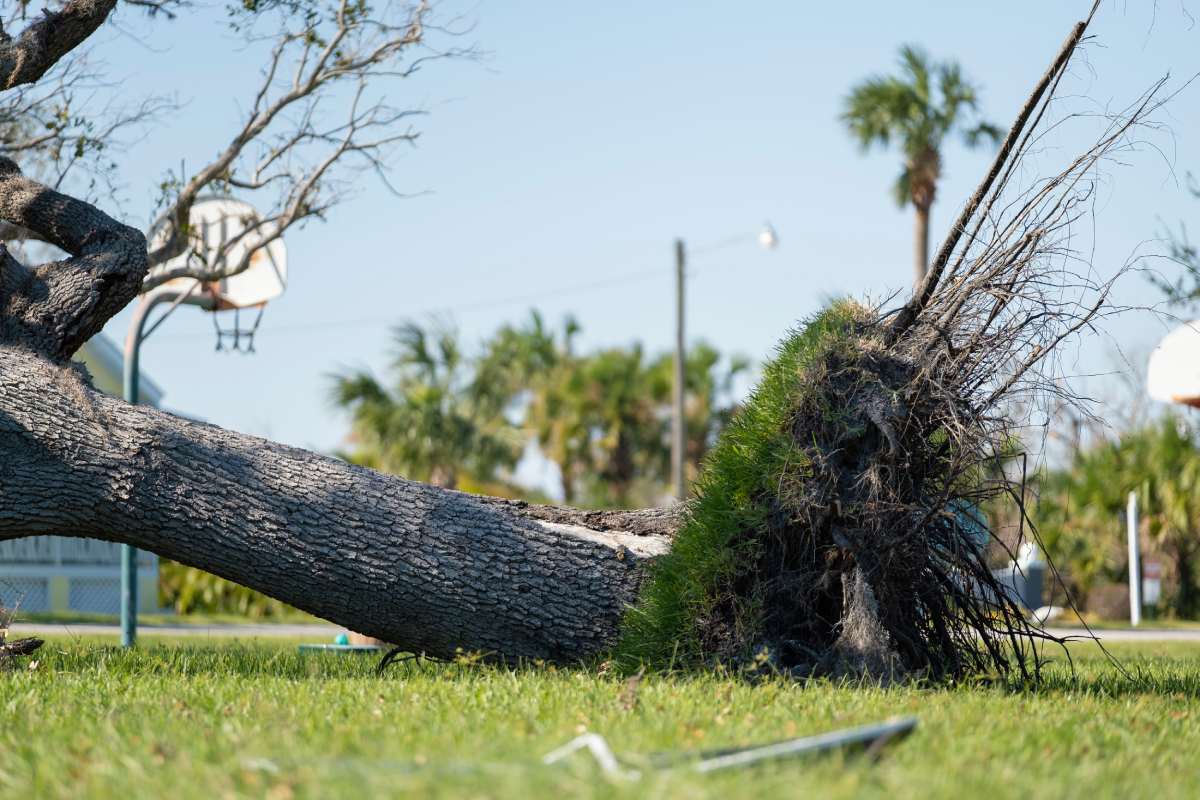
Most homeowners don’t think much about the trees in their yard until a storm rolls through, a branch lands on the driveway, or a neighbour points out that a trunk looks like it’s leaning a little more than it used to. The reality is that trees rarely fail without warning. In many cases, they show signs of stress or structural weakness months or even years beforehand.
A healthy tree can add shade, privacy and character to a property. A compromised tree, however, can become a serious safety hazard for your family, visitors, vehicles and home. Understanding the warning signs can help you act before a small issue turns into an expensive emergency.
We spoke with AB Trees Perth, a family-owned Western Australian arborist service, about the most common indicators that a tree may be becoming unsafe and when it’s time to call a professional.
Dead or Hanging Branches
One of the clearest warning signs is the presence of dead branches in the canopy.
Dead wood is typically brittle, lacks leaves during the growing season and may have peeling bark. These branches can fall without warning, especially during high winds or heavy rain.
Pay particular attention to branches that:
- Hang over roofs
- Extend above driveways
- Overhang play areas
- Reach across footpaths
- Are tangled in other limbs
Even a relatively small branch can cause significant injury or property damage when it falls from height.
A Tree That Is Suddenly Leaning
Not every leaning tree is dangerous. Some species naturally grow at an angle, and many established trees have leaned slightly for decades without problems.
What should concern you is a new or increasing lean.
Warning signs include:
- Soil lifting on one side of the trunk
- Cracks appearing in the ground around the base
- Exposed roots
- A noticeable change in angle after a storm
- Movement when the tree is pushed
A tree that has recently started leaning may have root failure, which significantly increases the risk of collapse.
Cracks or Splits in the Trunk
The trunk is the tree’s main structural support.
Deep vertical cracks, large splits or cavities can indicate internal weakness. While some superficial bark cracking is normal for certain species, substantial openings in the trunk should be assessed by an arborist.
Particular concern is warranted when:
- The crack extends deep into the wood
- Multiple stems are separating
- The split widens over time
- Water collects inside the cavity
- Decay is visible around the damaged area
These defects can reduce the tree’s ability to withstand wind and heavy loads.
Fungal Growth Around the Base
Mushrooms and fungal brackets growing on or near the trunk can be an important warning sign.
Fungi often feed on decaying wood, and their presence may indicate internal rot that isn’t visible from the outside.
Common indicators include:
- Mushroom clusters at the base
- Hard shelf-like fungal growths on the trunk
- Soft, spongy wood
- Hollow-sounding sections when tapped
Not all fungi mean a tree is unsafe, but they should never be ignored.
Large Areas of Dead Canopy
If a significant portion of the tree has stopped producing leaves, it may be experiencing serious decline.
Look for:
- Entire branches without foliage
- Uneven leaf growth
- Sparse canopy compared with previous years
- Premature leaf drop
- Dead sections concentrated on one side
A declining canopy can indicate root problems, disease, pest infestation or structural stress.
Root Damage or Soil Disturbance
Healthy roots anchor the tree.
Construction work, trenching, driveway installation and landscaping can all damage critical root systems.
Watch for:
- Roots that have been cut or exposed
- Recent excavation near the trunk
- Soil erosion around the base
- Poor drainage causing waterlogging
- Sudden canopy decline after nearby building work
A tree can appear healthy for some time after root damage before symptoms become obvious.
Storm Damage
After strong winds or severe weather, inspect trees carefully.
Hidden damage may include:
- Partially broken limbs
- Twisted branches
- Cracked branch unions
- Root movement
- Fresh splits in the trunk
Even if the tree remains standing, weakened branches may fail later during relatively mild weather.
Branches Touching Roofs or Power Lines
Overhanging branches create several risks.
They can:
- Damage roofing during storms
- Drop debris into gutters
- Provide access for pests
- Interfere with power infrastructure
- Increase fire risk in some areas
Branches near power lines should never be handled by homeowners. Contact your electricity provider or a qualified arborist experienced in utility clearance work.
Multiple Trunks With Weak Attachments
Many trees develop several stems from a single base.
Problems arise when the stems are joined by weak, narrow unions that trap bark between them.
These attachments can split apart under heavy wind loads, causing one section of the tree to fail suddenly.
Signs include:
- A tight V-shaped junction
- Bark embedded between stems
- Cracking at the union
- Movement between trunks during wind
When to Call an Arborist
You should arrange a professional assessment if:
- A tree is leaning noticeably
- Large branches have died
- Cracks appear in the trunk
- Fungal growth is present
- Storm damage has occurred
- Roots have been disturbed
- The tree is close to a house, pool or power line
- You’re unsure whether the tree is safe
An experienced arborist can determine whether the tree requires pruning, cabling, treatment, monitoring or removal.
Don’t Wait for an Emergency
One of the biggest mistakes homeowners make is waiting until a branch falls before seeking advice.
Preventive maintenance is usually far less expensive than emergency call-outs after storm damage. It also reduces the risk of injury and property damage.
Regular inspections are particularly important for:
- Large eucalypts
- Older trees
- Trees near buildings
- Trees that have suffered previous damage
- Properties in high-wind areas
The Bottom Line
Trees rarely become dangerous overnight. Dead branches, leaning trunks, cracks, fungal growth, root damage and canopy decline are all warning signs that a tree may be losing structural integrity.
Healthy trees are valuable assets, but compromised trees can pose significant risks to people and property. The safest approach is to identify problems early and have them assessed by a qualified arborist before they escalate.
For Perth homeowners, working with experienced professionals such as AB Trees Perth can help determine whether a tree simply needs maintenance or has become a genuine safety hazard that requires more extensive action.
Frequently Asked Questions
How can I tell if a dead branch is dangerous?
If the branch is large, brittle, hanging over an area where people or vehicles pass, or showing signs of cracking, it should be assessed and removed by a professional.
Is a leaning tree always unsafe?
Not necessarily. Some trees naturally grow at an angle. A recent or increasing lean, especially with soil movement around the base, is a more serious concern.
What does fungal growth on a tree mean?
Fungi can indicate internal decay within the trunk or roots. While not every fungus means the tree is dangerous, it should be inspected by an arborist.
Should I inspect my trees after a storm?
Yes. Strong winds can cause hidden cracks, broken branch attachments and root movement that may not be immediately obvious.
Can root damage make a tree fall over?
Yes. Roots provide the tree’s anchorage. Significant root damage from construction, excavation or erosion can increase the risk of instability and failure.