
 By The Precedent
Australia’s housing story is full of contradictions. On one hand, older homes are often celebrated for their charm, craftsmanship, and connection to the land. On the other, many of those same design choices—once considered smart and practical—are now proving to be inefficient, uncomfortable, and costly in today’s world.
So what changed?
The answer lies in how Australians used to live, how homes were designed for climate, and how modern expectations have shifted. What worked decades ago doesn’t always work today—and understanding why is key to deciding whether to renovate, restore, or rebuild.
The “Lightweight, Breathable Home” – Once Ideal, Now Problematic
For much of Australia’s history, homes were designed to stay cool in summer rather than warm in winter. This made sense in a country known for its heat.
Classic features included:
- Timber construction
- Elevated floors (like Queenslanders)
- Large windows and vents
- Minimal insulation
- Wide verandahs
These homes were built to encourage airflow, allowing hot air to escape and breezes to move through the house.
And to be fair—it worked.
Before air conditioning, passive cooling strategies like ventilation and shading were essential. Even today, passive design is still considered valuable when done correctly, as it reduces reliance on mechanical cooling.
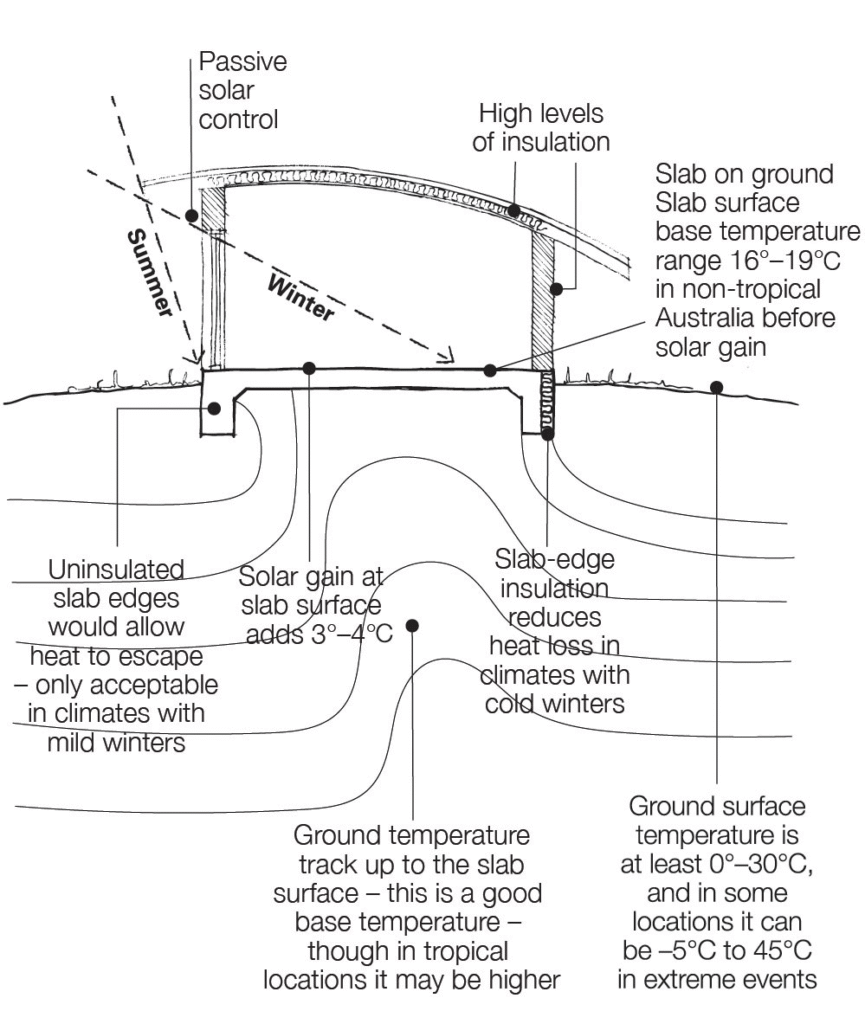
Note that slab edge insulation (shown on the right of the sketch) improves the coupling effect by keeping the slab temperature controlled right to the edges.
The Problem Today
What was once a strength has become a weakness.
Modern Australians expect:
- Warm homes in winter
- Stable indoor temperatures
- Lower energy bills
Unfortunately, these older designs struggle badly in colder months. Many homes built before the 1990s:
- Lack proper insulation
- Have significant air leakage
- Lose heat rapidly
Studies show that older Australian homes often spend large portions of winter below comfortable indoor temperatures due to poor thermal performance.
In short, homes designed to “breathe” are now too drafty to be efficient.
Minimal Insulation – A Cost Saver That Backfired
Another historically sensible design choice was minimal or non-existent insulation.
Why?
Because:
- Building standards were lower
- Energy was cheap
- Heating wasn’t considered essential in many regions
Builders simply didn’t prioritise thermal performance.
Why It Doesn’t Work Now
This is one of the biggest reasons Australian homes are often described as:
- Too hot in summer
- Too cold in winter
In fact, poor insulation and construction practices mean many homes rely heavily on air conditioning and heating just to stay comfortable.
That leads to:
- Higher energy bills
- Increased carbon emissions
- Reduced comfort
Modern building standards have improved, but millions of existing homes still carry this legacy problem.
The Open-Plan Layout – From Luxury to Liability
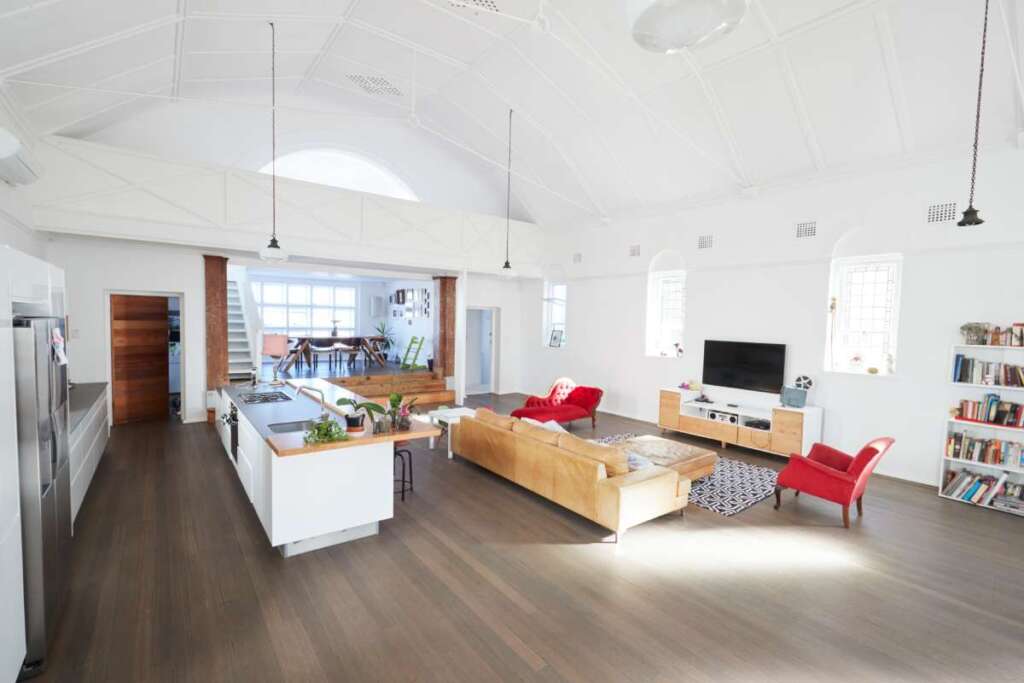
Open-plan living has long been a hallmark of Australian homes. It promotes:
- Social interaction
- Natural light
- Airflow
In warm climates, open layouts also help with cross-ventilation, making them effective for cooling.
The Downside Today
While still popular, open-plan designs can be inefficient when combined with older construction methods.
Issues include:
- Difficulty heating large open spaces
- Poor zoning of temperature (no separation between rooms)
- Energy wastage
Heating or cooling one large open space often means conditioning the entire house—even areas not in use.
Modern homes try to balance openness with zoning, but older layouts often lack that flexibility.
Single-Glazed Windows – Once Standard, Now Obsolete
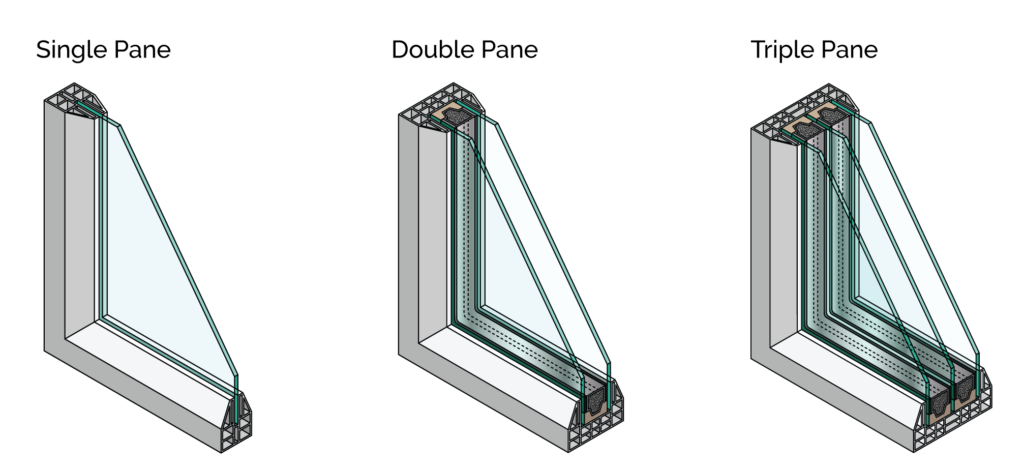
For decades, single-glazed windows were the norm in Australia.
They were:
- Cheap
- Easy to install
- Suitable for mild climates
But they’re now one of the weakest points in a home’s thermal envelope.
Why They Fail Today
Single glazing:
- Allows heat to escape in winter
- Lets heat in during summer
- Causes condensation issues
Even today, a large portion of the Australian housing market still relies on outdated window systems, contributing to poor energy performance.
Modern homes increasingly use double or triple glazing—but retrofitting older homes can be costly.
Dark Roofs and Poor Orientation – Design Trends That Backfired
Another issue lies in orientation and material choices.
Older suburban developments often didn’t prioritise:
- Solar orientation
- Shading
- Climate-specific design
Add to that:
- Dark roofs that absorb heat
- Large west-facing windows
- Limited tree cover
And you get homes that overheat easily in summer.
Why This Matters Now
With rising temperatures and energy costs, these design flaws are becoming more noticeable.
Modern passive design emphasises:
- Proper orientation
- Shading systems
- Strategic window placement
All of which were often overlooked in older builds.
Reliance on Mechanical Cooling – A Modern Dependency
Ironically, many Australian homes today are designed with the expectation that air conditioning will do all the work.
This is a shift away from traditional passive design principles.
Some newer homes even ignore climate-responsive design entirely, assuming technology will compensate.
The Problem
This creates:
- High energy consumption
- Vulnerability during power outages
- Increased running costs
As one critique puts it, many homes are built with poor envelopes and rely on systems to “make up for” energy loss.
Why These Designs Made Sense Back Then
It’s important not to judge older designs too harshly—they were shaped by their time.
Back then:
- Energy was cheap
- Climate awareness was limited
- Building regulations were minimal
- Comfort expectations were different
Homes were designed to be:
- Affordable
- Quick to build
- Suitable for the lifestyle of the era
And in many cases, they succeeded.
Why They Don’t Work Anymore
Today’s expectations are completely different.
Homeowners now want:
- Year-round comfort
- Energy efficiency
- Sustainability
- Lower utility bills
At the same time:
- Energy prices are rising
- Climate conditions are more extreme
- Building standards have improved
This creates a gap between the old design and modern living needs.
Renovate, Restore, or Rebuild?
So what should you do if you own an older Australian home?
The answer isn’t always to knock it down.
In fact, many experts argue that retrofitting and renovating existing homes can significantly improve comfort and efficiency without the environmental cost of rebuilding.
Key Improvements Include:
- Adding insulation (walls, roof, floors)
- Sealing air leaks
- Upgrading windows
- Improving shading and ventilation
- Reconfiguring layouts for better zoning
These changes can transform an outdated home into a modern, comfortable space.
Bringing Old Homes Into the Future
Older Australian homes still have a lot going for them:
- Solid construction
- Larger blocks
- Unique character
- Established neighbourhoods
The key is upgrading the performance without losing the charm.
This is where working with experienced specialists becomes crucial.
If you’re unsure whether your home is worth restoring or how to modernise it effectively, it’s worth speaking with experts like Heritage Restorations & Renovations in Sydney. They can help assess your property and guide you on whether restoration, renovation, or partial rebuilding is the best path forward—while preserving the character that makes older homes so special.
Final Thoughts
Australian housing has evolved—but not always in the right direction.
Many design features that were once considered smart:
- Minimal insulation
- Open airflow layouts
- Lightweight construction
They are now working against modern comfort and efficiency.
That doesn’t mean these homes are failures—it simply means they need to evolve.
Before making any decisions, take the time to assess your home properly. With the right upgrades and expert guidance, even the most outdated design can be transformed into a comfortable, energy-efficient space that suits today’s lifestyle—without losing its original soul.