
 By The Precedent
The Itch That Won’t Go Away
You’ve washed the bedding. You’ve bathed the dog. You’ve set off three “flea bombs” from the supermarket. Yet, two weeks later, you’re still waking up with red, itchy bites on your ankles.
It is exhausting. The reality is that fleas are an evolutionary marvel designed to survive generic poisons. If you are only killing the biting adults, you are ignoring 95% of the infestation hiding in your carpet.
This guide pulls back the curtain on exactly what a flea exterminator does, why their chemistry works when yours doesn’t, and how they ensure the infestation is gone for good.
What Do They Actually Do?
What is a Flea Exterminator?
A professional flea exterminator executes a multi-stage eradication plan known as Integrated Pest Management (IPM). They do not just spray for adults; they apply a residual mix of Adulticides (to kill live fleas instantly) and Insect Growth Regulators (IGRs). This crucial IGR layer sterilises eggs and larvae, preventing the next generation from developing. This breaks the reproductive lifecycle that DIY products usually miss.
Step 1: The Forensic Inspection
Before a single drop of chemical is sprayed, a qualified technician performs a site assessment. They aren’t just looking for fleas jumping on your leg; they are looking for “hot spots.”
An exterminator identifies:
- Source areas: Where pets sleep, eat, and rest.
- Larval habitats: Dark cracks in floorboards, deep carpet pile, or sub-floor voids where larvae feed on organic matter.
- External risks: Sandy soil patches in the garden or sub-floor access points where stray cats or possums might be dropping flea eggs.
Step 2: The Science of the Spray (IGRs vs. Adulticides)
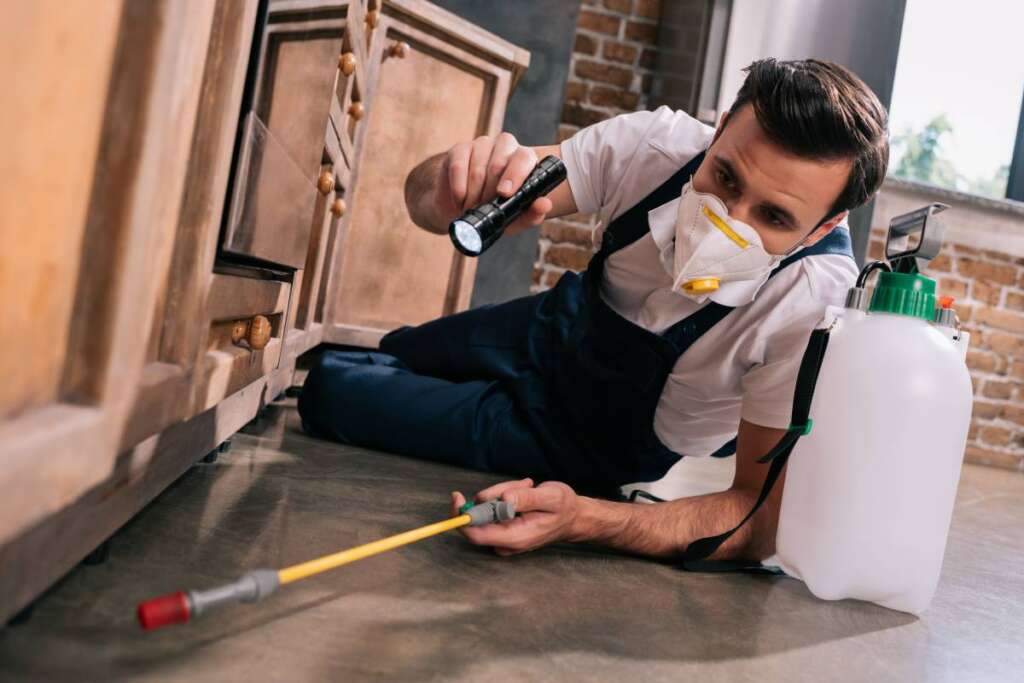
This is the biggest differentiator between a $20 Bunnings bomb and a professional service. Exterminators use a “tank mix” involving two distinct chemical classes.
1. The Knockdown (Adulticides)
This is the immediate killer. Usually a synthetic pyrethroid, this targets the nervous system of the adult fleas hopping around. It provides immediate relief from bites.
2. The Steriliser (Insect Growth Regulators)
This is the secret weapon. An IGR (like Pyriproxyfen or Methoprene) mimics the juvenile hormone of the flea.
- On Eggs: It stops them from hatching.
- On Larvae: It prevents them from pupating into adults.
- The Result: Even if a flea survives the initial spray, it is genetically unable to reproduce. The population crashes.
Expert Insight: The “Pupal Window”
Why you might see fleas 2 weeks after treatment.
The hardest stage to kill is the Pupae (cocoon stage). The cocoon is watertight and protects the developing flea from chemicals.
A professional exterminator knows this. They will tell you that it is normal to see newly hatched fleas for 2-3 weeks post-treatment. However, because the surface is treated, these new fleas will die within hours of hatching and touching the carpet. Do not vacuum immediately, you need the vibrations to encourage them to hatch so they hit the treated zone and die!
Step 3: Breaking the Cycle (Why DIY Fails)
The average flea infestation is composed of:
- 5% Adults (The ones biting you)
- 10% Pupae (Cocoons)
- 35% Larvae (Worms in the carpet)
- 50% Eggs (Microsopic salt-shaker grains)
If you only use a standard spray, you kill the 5% (Adults). The remaining 95% continue to develop, and the problem returns a month later. An exterminator’s primary job is to turn your floor surfaces into a hostile environment for that invisible 95%.
Comparison: Professional Exterminator vs. DIY Bombs
Is the cost of a professional really worth it? Let’s look at the data.
| Feature | DIY Flea Bomb / Fogger | Professional Exterminator |
| Coverage | Poor. Fog goes up and settles on furniture, often missing deep carpet pile. | Excellent. Pressurised fan-spray forces product deep into carpet fibres. |
| Chemistry | Usually low-concentration Permethrin. Rarely contains IGRs. | Commercial-grade residuals + IGRs. |
| Safety | High risk of residue on kitchen benchtops/plates due to “bomb” nature. | Controlled application only on floors and skirting boards. |
| Warranty | None. If it fails, you buy more. | Typically 3-6 months service warranty. |
What You Need to Do Before & After Treatment
An exterminator cannot work effectively if the house is cluttered. Success is a partnership between you and the technician.
Before they arrive:
- Clear the floor: Pick up shoes, toys, and magazines. If you use rugs to brighten rooms, roll them up or ensure the technician can easily access the floorboards beneath them where larvae often hide.
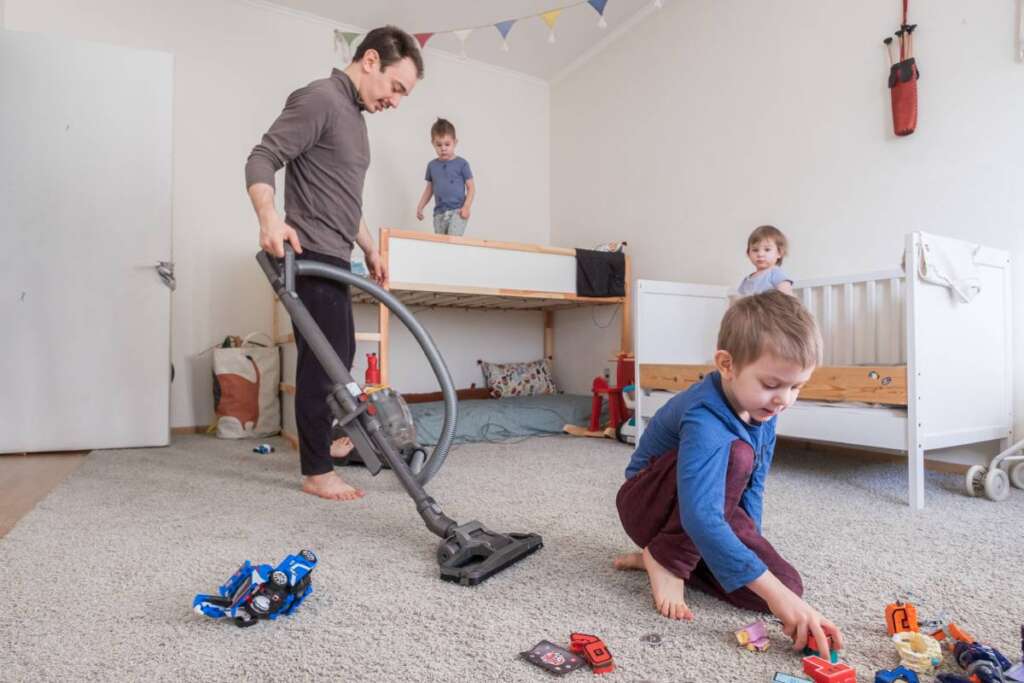
- Vacuum thoroughly: This is vital. The vibration stimulates pupae to hatch, and it lifts the carpet pile so the spray penetrates deeper. Dispose of the vacuum bag immediately outside.
- Mow the lawn: If having an external treatment, short grass ensures the chemical reaches the soil.
After they leave:
- Wait to enter: Usually 2 to 4 hours, or until the floors are dry.
- Do NOT wash floors: Mopping will remove the chemical barrier. You generally shouldn’t mop for at least 7 days.
- Vacuum regularly: Continue vacuuming every few days to stimulate those stubborn pupae to hatch and die.
End of Lease Flea Treatments
In Australia, if you have kept pets in a rental property, it is standard practice and often a clause in your lease agreement requiring you to provide a receipt for a “Professional Flea Treatment” upon vacating.
What does the exterminator do here?
- Timing is Key: They perform the spray once the furniture has been removed and the carpets steam cleaned.
- Compliance Documentation: They provide a formal receipt detailing the chemicals used (often required by law). Local specialists like SWAT Pest Control Brisbane.com.au are specifically trained in these tenancy requirements, ensuring the documentation provided satisfies even the strictest property managers.
- Crucial Order of Operations: You must Steam Clean FIRST, then Flea Treat SECOND. If you steam clean after the pest control, you will suck all the chemicals out of the carpet, voiding the warranty and the protection.
Conclusion
A flea exterminator does far more than just “spray poison.” They act as biological strategists, using advanced chemistry to break the reproductive life cycle of the pest. While the upfront cost is higher than a supermarket bomb, the use of IGRs and the targeted application saves you money and sanity in the long run by actually solving the problem, rather than just suppressing it for a week.
Are you ready to reclaim your home from fleas? Check your local reviews, look for a technician who mentions “IGRs” in their quote, and prepare your home for a proper reset.