
 By The Precedent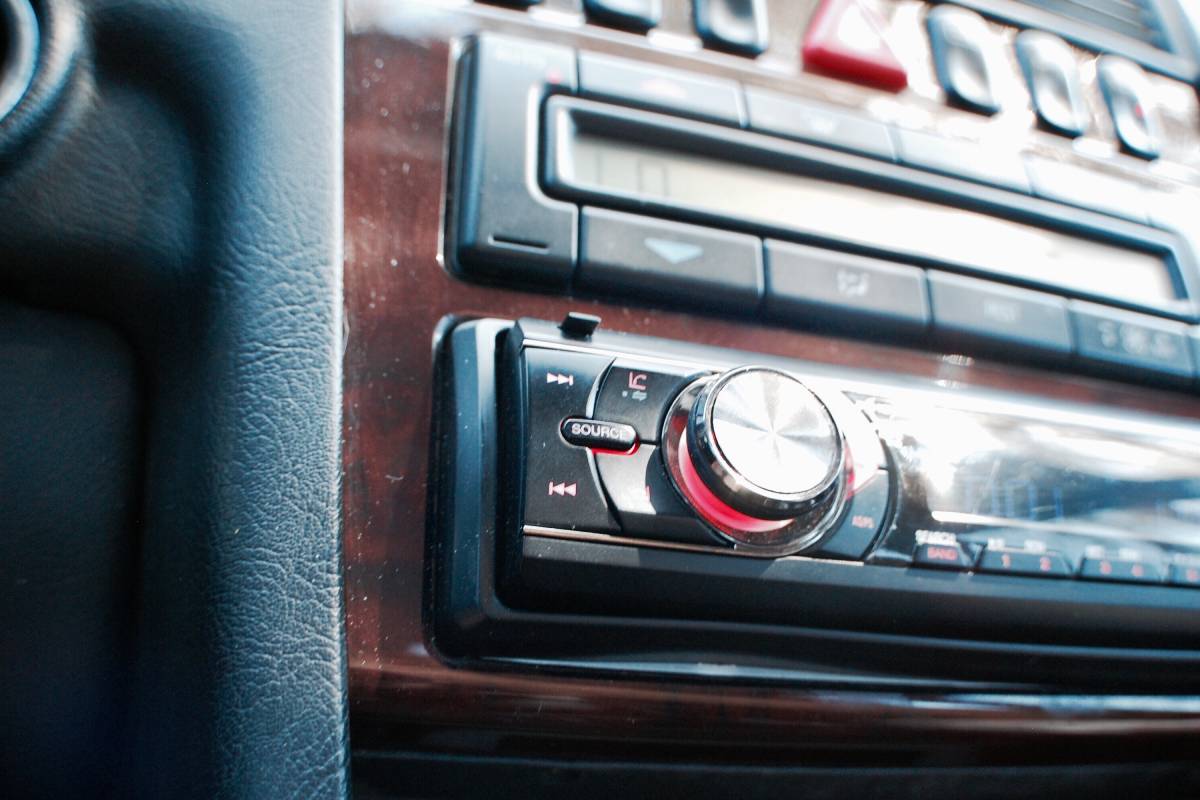
Upgrading your car’s head unit — the central control system for your vehicle’s sound and infotainment — can completely change how you experience every drive. Whether you’re after clearer sound, hands-free convenience, or modern features like Apple CarPlay and Android Auto, a new head unit can breathe fresh life into even the oldest cars.
Many Australian drivers upgrade not only for entertainment but also for safety and connectivity. Being able to take calls without touching your phone, use GPS directly on the dash, or stream your favourite playlists seamlessly can make a huge difference in everyday comfort.
However, it’s not always a straightforward decision. Prices vary widely depending on the brand, model, and installation complexity. Some vehicles need additional modules or adapters to keep steering wheel controls or reverse cameras functional. And while a good-quality head unit can add value to your car, it’s also an investment that should be made with long-term ownership in mind.
In this guide, we’ll explore whether upgrading your car’s head unit is truly worth it, what you can expect to gain, what pitfalls to avoid, and — just as importantly — how much you should budget for both the unit and the installation.
What Exactly Is a Head Unit?
The head unit is the central control for your car’s audio and often other infotainment features. On older cars, it might simply be an AM/FM/CD player. Modern head units range from simple digital radios to full-colour touchscreen “multimedia receivers” that offer:
- Bluetooth audio and phone calls
- Apple CarPlay and Android Auto (wired or wireless)
- Built-in navigation or map mirroring
- USB and AUX inputs, multiple zones (front/rear)
- Equalisers, time alignment and advanced audio processing
- Integration with backup cameras, steering wheel controls and vehicle CAN bus
So when people talk about “upgrading the head unit,” they usually mean swapping a factory radio for a modern aftermarket unit that adds features and better audio control.
Why Upgrade? — The Real Benefits
Here are the most common reasons people upgrade their head unit:
- Smartphone integration — Apple CarPlay and Android Auto let you use long-form navigation, music apps, voice assistants and messages through the dash in a much safer, easier way than a phone on a cradle.
- Better sound control — Aftermarket units typically have better pre-amp outputs, built-in equalisation, time alignment and more flexibility to drive amplifiers and subwoofers. If you care about sound quality, the head unit matters.
- Modern connectivity — Bluetooth streaming with stable performance, multiple USB ports for charging and media, and better codec support (e.g., aptX) improve daily convenience.
- Features your car lacks — Things like a reversing camera input, on-screen parking guides, digital radio (DAB+ in Australia), or a brighter, responsive touchscreen can be very attractive.
- Aesthetics and resale — A modern screen can make an older interior look and feel more contemporary; some buyers value upgraded infotainment when you sell.
The Downsides — When It Might Not Be Worth It
- Cost vs. value — If your vehicle is old and you plan to sell it soon, the money spent might not be recovered. For low-value cars, a cheap phone mount + Bluetooth adapter could be a better fit.
- Installation complexity — Some cars require extra modules to retain steering wheel controls, factory amplifiers or climate displays. Integration can add to cost and time.
- Fit & finish — Not all single-DIN or double-DIN units match your dash without a fascia kit. Poorly matched installs look tacky.
- Electrical quirks — Modern head units can draw more power and occasionally conflict with vehicle electronics (rare, but possible). Proper wiring and fusing is important.
How Much Does a Head Unit Cost? (Typical Australian Ranges)
Costs vary widely depending on brand, features and whether you install professionally. Below are typical ranges to give you a realistic budget. Prices are in Australian dollars and approximate — shop around for models and local fitters.
1. Entry level — $80 to $300
- Single-DIN or basic double-DIN units.
- Basic Bluetooth audio, USB, AUX.
- No or limited smartphone mirroring.
- Good if you just want reliable Bluetooth and radio.
2. Mid-range — $300 to $800
- Quality touchscreen units with wired Apple CarPlay/Android Auto.
- Better sound processing, support for backup cameras, and multiple inputs.
- Good value for most users who want modern features without premium cost.
3. Premium — $800 to $2,000+
- Top brands, wireless CarPlay/Android Auto, integrated navigation, higher resolution displays, better audio processing, premium fit and build.
- Head units in this range are aimed at audiophiles or people wanting high integration and features.
4. Luxury/custom systems — $2,000 to $5,000+
- Integration into factory systems, high-end processors, DSPs, and custom fascia/finish.
- Often part of a larger audio upgrade with new speakers, amps and sound deadening.
Installation Costs
Professional installation is strongly recommended unless you’re confident with vehicle electrics. Typical installation costs:
- Basic install (standard dash, no extras): $80–$250
- Install with steering wheel control adapter / CAN bus interface: $150–$400 (extra module cost sometimes separate)
- Install with backup camera, USB relocation, or integration into factory features: $250–$700
- Complex installs (premium cars, factory amplifiers, multi-component upgrades): $700–$2,000+
Always ask whether the installer includes a warranty on workmanship and whether any programming or CAN interface modules are included in the quoted price.
Extras That Add Cost (and Why They Matter)
- Fascia kit & mounting hardware: $30–$200 (avoids ugly gaps).
- Steering wheel control adapters / CAN modules: $50–$300.
- Antenna adapters / DAB+ modules: $20–$200.
- Backup camera: $70–$300 (plus install).
- Sound deadening for doors: $100–$400 (improves bass and reduces road noise).
- Amplifiers, new speakers, subwoofer: $400–$3,000+, depending on quality.
- Custom wiring & labour for premium systems: can push total project cost well past $3k.
Tip: If you plan to add an amp and speakers, consider a head unit with strong preamp outputs (higher volts) to avoid noise and get better performance.
DIY vs Professional Installation
Installing a head unit might seem like a simple plug-and-play job, but a lot is going on behind the dash. Going the DIY route can save you some money — usually between $100 and $300 in labour — and for older or simpler vehicles, it’s often achievable with basic tools and online guides. Many enthusiasts enjoy doing it themselves because it gives them control over wiring layout, component choice, and sound tuning. DIY installation can also be rewarding if you understand your car’s electrical system and want to learn more about how everything connects.
That said, there are real risks involved. Modern vehicles use complex wiring harnesses and CAN bus systems, which control not just audio but also safety alerts, cameras, and even climate control screens. A wrong connection could disable important features or trigger electrical faults. There’s also the matter of integration — without proper adapters, you might lose steering wheel audio controls or factory amplifier functionality. Professional installers use vehicle-specific wiring looms, test voltage and grounding, and ensure clean, interference-free connections.
In short, DIY can be a good choice for straightforward swaps, but for cars with advanced electronics, paying a qualified installer is worth the peace of mind. You’ll get a neater finish, warranty coverage, and a system that performs exactly as intended for years to come.
Will an Upgraded Head Unit Improve Sound Quality?
Yes and no. A good head unit can noticeably improve sound, especially in cars that still have original or low-quality radios. Benefits come from:
- Cleaner preamp outputs (less noise)
- Better tone controls and built-in DSP
- Higher voltage RCA outputs for the amp
- Better Bluetooth codecs and streaming stability
However, speakers and amplifiers also play a huge role. A premium head unit alone can only do so much if the speakers are poor. For a real audio leap, pair the head unit upgrade with at least new speakers or a modest amplifier.
Alternatives to a Full Head Unit Swap
If cost or fitment is a concern, consider these alternatives:
- Bluetooth adapters (plug into AUX or cassette adapter): cheap, restores wireless streaming.
- Smartphone mount + FM transmitter: low cost but variable audio quality.
- Replace speakers only: can improve sound without changing dash electronics.
- OEM retrofit modules: some cars have manufacturer upgrade paths that keep the factory look but add CarPlay or DAB+. Often pricier but visually clean.
How to Decide — Quick Checklist
Ask yourself:
- Do I need CarPlay/Android Auto, or is a phone mount OK?
- Is sound quality important to me, or do I just want convenience features?
- Will the car be kept for several years (to justify expenditure)?
- Does my car require extra modules to keep steering-wheel controls or factory amps?
- Do I value a neat, factory-like install (willing to pay for fascia kits and CAN adapters)?
If you use your car daily, value modern safety/convenience features and plan to keep the car, an upgrade often pays off in convenience and enjoyment. If the vehicle is a cheap or short-term hold, choose lower cost options.
Typical Upgrade Scenarios (Examples)
- Daily commuter, wants smartphone mirroring: mid-range unit ($400–$700) + standard install ($150–$300). Total ≈ $550–$1,000.
- Audiophile wanting big improvement: mid-high head unit ($700–$1,500) + new speakers and amp ($800–$2,500) + installation and sound deadening ($500–$1,500). Total ≈ $2,500–$6,000+.
- Budget upgrade for Bluetooth only: cheap head unit ($80–$200) + DIY install or cheap fit ($80–$150). Total ≈ $160–$350.
Final Thought
Upgrading a head unit is worth it if the features and sound improvements matter to you, and your car’s value and lifespan justify the cost. Plan your upgrade with realistic budgets, factor in necessary adapters and installation labour, and think about whether speaker or amplifier upgrades should be part of the project for the best result.
If you want a tidy, professionally integrated upgrade — with expert advice on unit selection, compatibility checks (steering wheel controls, factory amp), and high-quality installation — speak to a reputable shop that understands local vehicles and Australian conditions. For those in Sydney’s south-west looking for reliable installation and sound upgrades, consider checking out Bankstown Sound for a consult and quote.