
 By The Precedent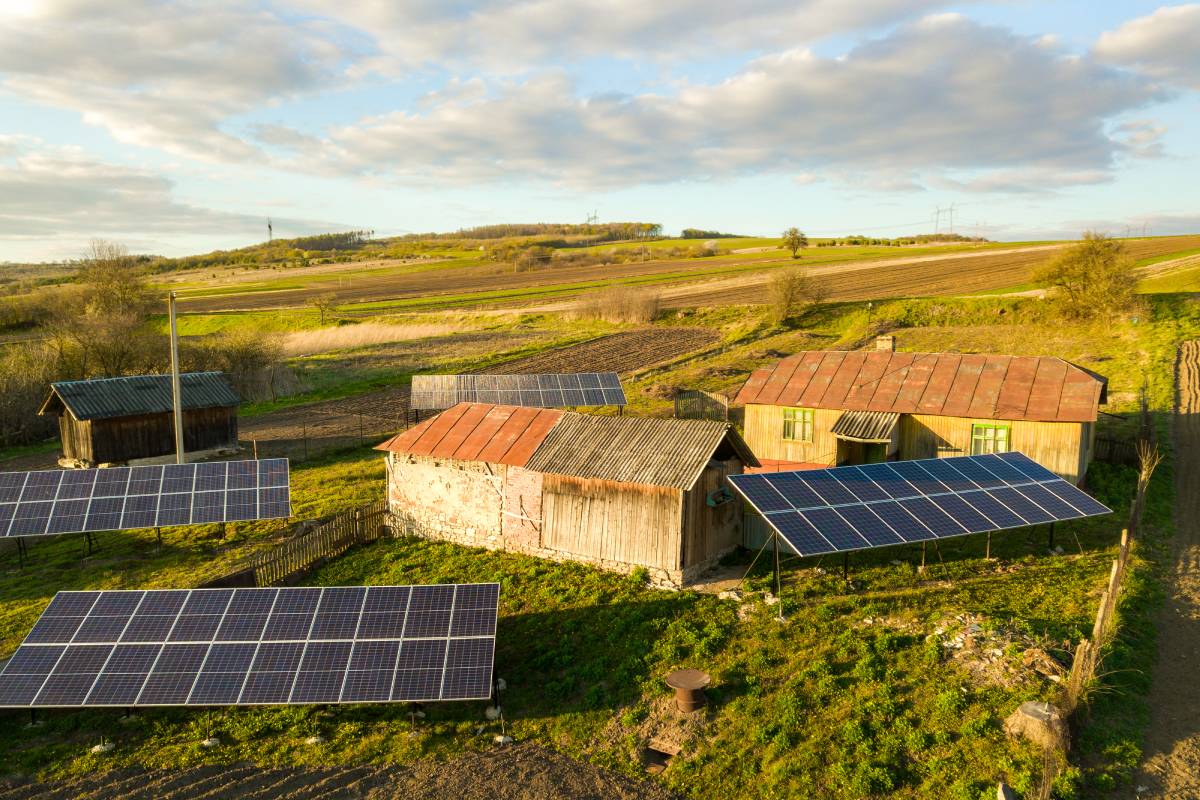
Going off-grid brings the promise of independence and a simpler life—one that’s not chained to the interconnected power grid. But with freedom comes responsibility, especially when it comes to powering your devices, tools, and appliances. For anyone living, working, or travelling without grid access, the generator isn’t just a backup—it’s the backbone of daily living.
Whether you’re tucked away in a remote cabin, travelling in an RV, building out a tiny home, or running remote job sites, choosing the right generator isn’t optional—it’s essential.
This article breaks down what off-grid generators do, how they differ from basic backup models, and what features to look for depending on how you power your space.
Off-Grid Generators: Not Just for Emergencies
Unlike home backup generators that kick in only when the power goes out, off-grid generators are meant for long-term, regular use. They can run continuously for hours or even days at a time—powering fridges, tools, heaters, lighting, and essential devices.
Whether your remote location has no grid access or you’re intentionally living off the grid, your generator becomes the primary source of electricity. It’s no longer an emergency fallback—it’s your everyday power partner. That has major implications for what type of system you choose and how much power you actually need.
Types of Off-Grid Power: Solar, Fuel, or Hybrid?
There are three main types of power systems for off-grid use. Each has advantages and limitations depending on where you are and what you need to operate.
1. Solar Systems
Solar generators use photovoltaic panels to convert sunlight into electricity, which is then stored in batteries. These systems are clean, quiet, and you’d never have to worry about buying fuel.
Advantages:
- No emissions
- Silent operation
- Low maintenance
- Easy to integrate with storage batteries
Ideal in:
- Areas with consistent sunlight (e.g., deserts, plains)
- Small to medium setups with low energy consumption
Limitations:
- Dependent on the weather and daylight
- May need a large surface area for panels
- Power output may be insufficient for heavy appliance use
Most modern solar setups come bundled with integrated inverters, making it easy to plug devices directly into them. Even so, in forested or cloudy zones, solar often needs to be paired with an alternate power source.
2. Gasoline or Propane Generators
The more traditional option for off-grid power, these internal combustion engines can generate high wattage outputs suitable for heavy-duty applications.
Fuel Types:
- Gasoline: Widely available, but degrades in storage without stabilisers
- Propane: Burns cleaner and stores longer, but tanks can be bulky
Advantages:
- High power output for appliances with high surge wattage (like fridges, freezers, or power tools)
- Reliable in any weather
- Ideal for remote worksites and isolated builds
Limitations:
- Noisy operation, often 65–75 dB or higher
- Requires an ongoing fuel supply
- Produces exhaust, so ventilation is essential
- Needs regular maintenance (oil changes, filter swaps)
For long-term off-grid use, the cost and logistics of a steady fuel supply need to be factored in. A 3000W generator might run 8–12 hours on a full tank at half load, and remote areas may require careful planning for fuel access.
3. Hybrid Systems (Solar + Fuel-Based)
Many off-grid users are now combining the strengths of solar and fuel systems. Hybrid generators prioritise solar energy when it’s available, switching to fuel only when necessary—perfect for insulation against long periods of cloudy weather or high consumption loads.
Advantages:
- Cuts fuel costs significantly
- Delivers constant power regardless of sunlight
- Extends battery life with smart load switching
Ideal for:
- Seasonal cabins
- RV owners on extended trips
- Off-grid homes in variable climates
Hybrid setups offer resilience and reliability while still benefiting from renewable power.
Got Appliances? Size Your Generator Properly
Your generator should match your power needs—not just in theory, but in day-to-day usage. To determine how much power you need, list every device you plan to power and look up two key numbers:
- Running wattage
- Surge wattage (startup requirement)
Here are three examples of common off-grid setups:
| Setup Type | Daily Energy Use | Suggested Generator Size |
|---|---|---|
| Small Cabin (lights, fridge, laptop) | ~1.5kWh | 1500W |
| RV/Mobile Use (cooktop, fridge, pump) | ~3–4kWh | 2500–3000W |
| Home Setup (washer, freezer, WiFi) | ~6–9kWh | 5000W or more |
Tip: Always add some buffer power for simultaneous use or expansion.
Runtime and Charging Practicalities
In solar systems, output and recharge are tied directly to sunlight. For example, a 1kWh battery paired with a 400W portable panel will charge fully in around five hours of peak sun. If you need to use power at night, the stored energy (battery capacity) matters as much as generator size.
Fuel-based generators will run nonstop as long as they’re fueled. That makes them ideal for long stretches of continuous power, but fuel delivery logistics can be tricky if you’re far from civilisation.
Many solar battery systems and hybrid generators support pass-through charging, letting you power devices while charging—very useful if you rely on continuous power over multi-day stretches.
Features You’ll Want in an Off-Grid Generator
Off-grid life throws challenges normal home backups never see. The best generators for such setups offer:
- Quiet operation: Rated below 60 dB for peaceful use
- Expandable battery options: Build your system over time
- Multiple power outputs: AC outlets, USB ports, 12V DC, even RV plugs
- Inverter technology: Clean sine wave power for sensitive electronics
- Weather protection: Dust-proof/IP-rated units for outdoor use
Also, think about mobility—lightweight lithium generators are much easier to move than bulky gas units if you’re living on wheels or shifting locations seasonally.
Fuel Storage and Safety
Even in remote areas, proper fuel storage and generator safety are vital. Here’s how to stay safe:
- Store gasoline and propane outside, in a cool location
- Never run gas generators indoors or in enclosed spaces
- Use carbon monoxide detectors when staying near generator housing
- Comply with local fuel and noise regulations before setting up long-term sites
Remember—off-grid does not mean off-safety. Clean-burning setups like solar are safer, but even battery systems should stay dry and well-ventilated to prevent damage.
When a Portable Power Station Is Enough
For ultra-light or highly mobile users, a portable power station can sometimes replace full-sized generators. These are all-in-one devices that combine an inverter, battery, and charger in one unit.
Best for:
- Weekend campers
- Small cabins
- Minimalist setups
- Powering devices like laptops, lighting, fans, or medical devices like CPAP machines
Portable stations don’t require fuel or routine maintenance, and many can recharge from your vehicle, wall outlets, or portable solar panels.
Final Thoughts
Living off-grid gives you freedom—but with that comes the need for careful planning of your energy resources. Whether you’re choosing solar, fuel, or hybrid systems, make sure to factor in your real-world daily needs, location conditions, safety practices, and long-term cost of ownership.
From quiet solar setups to robust hybrid rigs, today’s off-grid generator options are more capable, affordable, and adaptable than ever. When you’ve got the right power system in place, the rest of your off-grid life gets simpler, safer, and far more enjoyable.
For expert advice, installation support, or premium off-grid power solutions, don’t hesitate to reach out to Reds Power Solutions in Sydney.